November was a month of mixed signals for the economy and markets. Stocks barely moved overall, but under the surface, sectors shifted, inflation continued to pressure household budgets, and the Federal Reserve made another rate cut to keep growth on track. As we head into year-end, here’s what happened, what it means for your wallet, and a smart tip to start 2026 on solid ground.
November Market Recap
November was a balancing act for investors. The S&P 500 and Dow managed small gains, while the Nasdaq slipped as tech stocks cooled off. Defensive sectors like healthcare surged, and falling bond yields gave fixed income a boost. This was mostly attributed to sell‑offs in mega-cap tech and AI‑linked stocks, though a strong Thanksgiving rally partially offset losses.
Key Numbers:
- S&P 500: +0.25%
- Dow Jones: +0.5%
- Nasdaq Composite: −1.5%
- Top Sector: Healthcare (+9%)
- Worst Sector: Technology (−4.8%)
- Small Caps: Russell 2000 +0.96%
- 10-Year Treasury Yield: Fell to -4.02%
Economic Snapshot
The economy showed signs of slowing as well. Job growth weakened, especially among small businesses, while wage gains favored higher earners. To support growth, the Fed cut rates again, signaling caution about the outlook. ADP reported private payrolls declined by 32,000 in November, primarily due to small business job cuts—a sign of softening labor conditions. Unfortunately, this was supported by Bank of America’s data measurement showing that payroll growth was slowing -0.2% year-over-year, with unemployment insurance inflows steady near +10%, suggesting a “low-hire, low-fire” climate.
Key Numbers:
- Jobs: Private payrolls down by 32,000
- Wages: +4% for high earners, +1.4% for lower earners
- Fed Rate: Cut by 0.25%, now at 3.50–3.75%
Inflation & Cost of Living
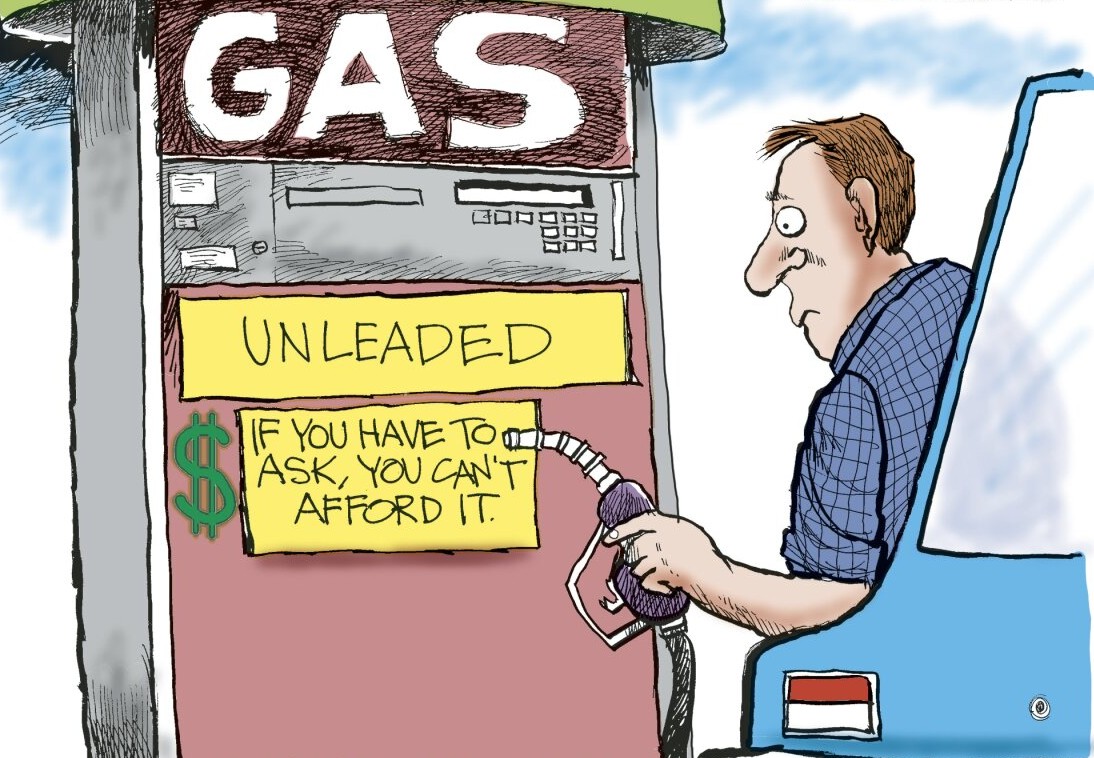
Inflation is still shaping household budgets. While overall expectations stayed near 3.2%, essentials like food, and rent are climbing faster. Food prices could rise nearly 6%, medical care over 10%, and rent more than 8%. These inflation trends mean your grocery bill, health-care visit, or rent may put pressure on basic living needs which would translate to paying more just to maintain the same lifestyle.
Year-End Tip: Reduce Credit Card Debt
To help with the higher cost of living, we recommend looking at debt starting with credit cards if you have running balances. We all know that holiday spending can make credit card balances balloon. Start by tackling the highest-interest card first (the avalanche method) while making minimum payments on others. If possible, look for a 0% APR balance transfer offer to buy time without interest. And don’t hesitate to call your card issuer—many offer hardship programs that can lower your rate or waive fees. Finally, tighten your budget and apply any extra cash toward your debt payoff plan.
Why Financial Planning Matters Now
The end of the year is the perfect time to take control of your finances. Planning now helps you avoid surprises, take advantage of tax strategies, and set yourself up for success in the new year. Whether it’s reducing debt, adjusting investments, or preparing for inflation, a solid plan gives you confidence and flexibility when the economy feels uncertain.
Footnotes:
¹ November equity and bond market performance: S&P 500 +0.25%, Dow +0.48–0.50%, Nasdaq –1.5%, Healthcare +9.3%, Tech –4.8%, Russell 2000 +0.96%, 10‑year yield ~4.02% (Clark Capital & ACG Capital Markets: https://acgconsulting.com/resources/november-2025-capital-markets-review, https://ccmg.com/benchmark-review-monthly-recap-november-2025/)
² 10‑year Treasury yield ~4.02% at end‑November (YCharts historical data: https://get.ycharts.com/resources/blog/monthly-market-wrap/)
³ ADP: private payrolls fell 32,000 in November, small‑business losses led the decline (CNBC ADP report: https://www.cnbc.com/2025/12/03/adp-jobs-report-november-2025-private-payrolls-unexpectedly-fell-by-32000-.html)
⁴ Bank of America data: payroll growth +0.2% YoY; unemployment inflows ~+10%; wage growth +4% (high earners), +1.4% (lower earners) (Bank of America Institute report)
⁵ Federal Reserve December meeting: 25 bps rate cut; target rate now 3.50–3.75% (CNBC, Reuters, etc.: https://finance.yahoo.com/news/fed-december-rate-cut-odds-072528696.html)
⁶ NY Fed Survey: 1‑year inflation expected ~3.2%; food +5.9%, medical care +10.1%, rent +8.3% (New York Fed: https://www.newyorkfed.org/newsevents/news/research/2025/20251208)