Markets React to Geopolitics, Energy Shocks, and a Shift in Consumer Confidence
March 2026 was defined less by earnings or traditional economic releases and more by geopolitical risk, energy volatility, and shifting sentiment. As the conflict between the U.S. and Iran entered its fifth week, markets were forced to reprice risk across equities, bonds, and commodities—leading to one of the most volatile months since 2022.
U.S. Stock Market Overview
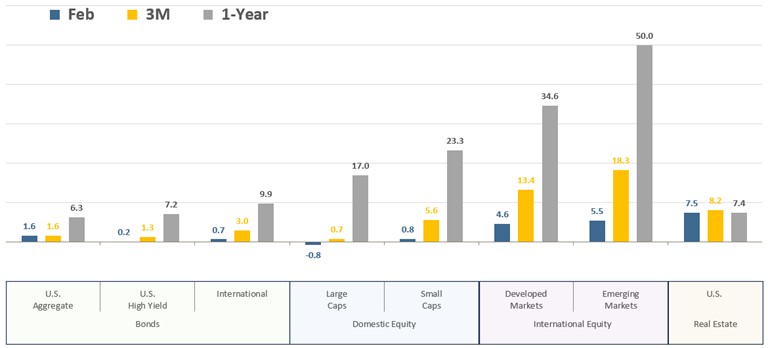
U.S. equities closed March sharply lower, marking the worst monthly performance since late 2022. The S&P 500 fell roughly 7.5–8% for the month, pushing the index into correction territory, while the Nasdaq and Dow also posted steep declines. What stood out most was not just the magnitude of the pullback, but how headline‑driven the market became.
Each new development related to oil supply, shipping routes, or ceasefire speculation triggered large daily swings. Temporary rallies emerged on hopes of de‑escalation, only to fade as fresh reports of tanker attacks or stalled negotiations surfaced. By month‑end, volatility remained elevated, reflecting unresolved uncertainty rather than panic selling. [cnbc.com], [cnbc.com]
This environment served as a reminder that markets can reprice quickly when non‑economic shocks disrupt supply chains and inflation expectations.
Geopolitical Events & Their Market Impact
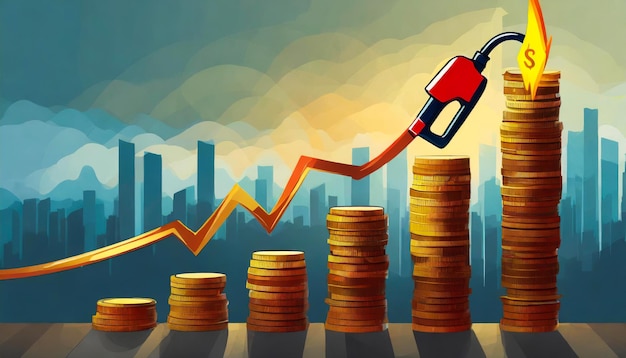
The dominant driver of March market activity was the U.S.–Iran war and its effect on global energy markets. The effective disruption of traffic through the Strait of Hormuz—a route responsible for roughly 20% of global oil shipments—pushed crude oil prices sharply higher.
- Brent crude traded above $110–$115 per barrel at various points during the month
- West Texas Intermediate moved well above $100 per barrel
- Energy price volatility fed directly into inflation fears and interest‑rate uncertainty
Rising oil prices not only hurt consumer sentiment but also forced investors to reconsider the outlook for economic growth and monetary policy. Concerns about a potential stagflationary backdrop—slower growth coupled with renewed inflation pressure—became more prominent as the month progressed. [cnbc.com], [bloomberg.com]
Sector Performance: Winners and Losers
March saw broad‑based weakness across most sectors of the S&P 500, with only one area consistently benefiting from the turmoil.
- Energy was the clear outperformer, finishing March sharply higher as oil prices surged
- Industrials, Health Care, and Communication Services were among the worst‑performing sectors, each declining close to or more than 9–10%
- Technology struggled under the weight of valuation sensitivity, geopolitical uncertainty, and higher capital‑cost assumptions
- Consumer Discretionary weakened as confidence and purchasing intentions deteriorated
By month‑end, 10 of the 11 S&P 500 sectors were negative, underscoring how concentrated the stress became outside of energy. [cnbc.com], [lpl.com]
The Economy: Slowing Momentum Beneath the Surface
Economic data released in March painted a picture of cooling—but not collapsing—growth. Job openings declined, hiring slowed, and business surveys showed softer expansion. While the labor market has not broken, it is clearly losing momentum, particularly in sectors tied to consumer spending and housing.
At the same time, rising energy prices are acting like a tax on households and businesses, pushing costs higher even as wage growth moderates. This combination complicates the Federal Reserve’s path forward, keeping rate‑cut expectations uncertain.
The economy is not in recession, but it is entering a more fragile phase where external shocks matter more than internal strength. [invezz.com]
Consumer Confidence & Sentiment
Consumer sentiment became increasingly mixed and fragile in March.
- The Conference Board’s Consumer Confidence Index ticked modestly higher to 91.8, driven by improved views of current conditions
- However, the Expectations Index fell to 70.9, well below levels typically associated with economic confidence
- The University of Michigan Consumer Sentiment Index dropped sharply to 53.3, its lowest reading since late 2025
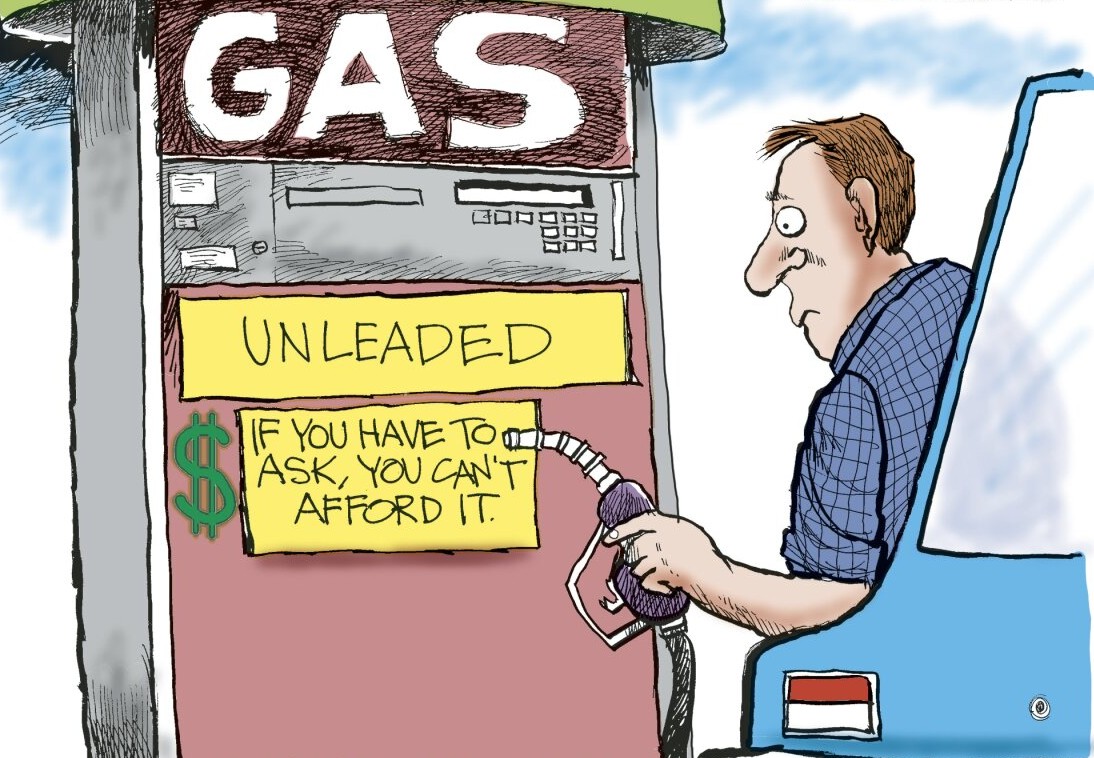
Higher gasoline prices, stock market volatility, and uncertainty surrounding the Iran conflict weighed heavily on outlooks—especially among middle‑ and higher‑income households that tend to have more market exposure. Inflation expectations jumped noticeably, reflecting concern that energy prices could push overall costs higher again. [usnews.com], [sca.isr.umich.edu]
Why Diversification Matters More Than Ever
March illustrated why diversification is not about maximizing returns—it’s about managing risk.
Market leadership rotated quickly, correlations rose, and portfolios concentrated in growth or single sectors experienced outsized drawdowns. Investors with exposure across asset classes, sectors, and geographies were better positioned to absorb volatility and avoid forced decision‑making during market stress.
Periods like this reinforce the importance of:
- Not relying on a single market narrative
- Balancing growth with defensive and income‑oriented assets
- Maintaining liquidity and flexibility when conditions change quickly
Diversification doesn’t eliminate volatility—but it helps ensure volatility doesn’t derail long‑term goals.
Why Estate, Tax, and Financial Planning Matter—Especially for Business Owners
For business owners in particular, times of geopolitical uncertainty and market volatility highlight risks that go far beyond investment performance.
- Tax planning becomes critical as cash flow, valuations, and exit timelines shift
- Estate planning ensures business continuity and protects family wealth during unexpected disruptions
- Succession and contingency planning provide clarity if markets, health, or geopolitics force sudden change
When markets are calm, planning feels optional. When uncertainty rises, planning becomes protection.
The events of March are a reminder that financial resilience is built long before it’s needed—and that integrated planning is more important now than it has been in years.
Looking Ahead
Markets will continue to react to developments in the Middle East, energy prices, and evolving economic data. While volatility may persist, disciplined strategy, diversification, and proactive planning remain the most reliable tools investors and business owners have.
If you have questions about portfolio positioning, tax strategies, or estate planning in this environment, now is the right time to revisit those conversations. iPlan. Do you?