A Little Relief, But Plenty to Watch
If May felt like a month of nonstop headlines, June felt like a month of investors trying to catch their breath.
The good news? Some of the biggest fears that were weighing on markets began to ease. Oil prices fell, tensions in the Middle East calmed somewhat, and consumers became slightly more optimistic about the future. The bad news? Inflation remains higher than the Federal Reserve would like, and interest rates may stay elevated longer than many expected.
Here’s what happened and what it means for you.
How Did the Market Perform?
The markets took a bit of a pause after a very strong spring.
- The Dow Jones Industrial Average gained 2.5% in June and is up nearly 9% for the year. [marksgroup.com], [countryeconomy.com]
- The S\&P 500 slipped 1.1% during June but remains up about 9.5% year-to-date. [marksgroup.com], [countryeconomy.com]
- The Nasdaq fell 2.8% for the month, though it remains one of the strongest-performing major indexes in 2026 with gains approaching 13% year-to-date. [marksgroup.com], [get.ycharts.com]
While the headline numbers were mixed, it’s important to remember where we’ve come from. The S\&P 500 gained roughly 15% during the second quarter, while the Nasdaq rose more than 21%, making it one of the strongest quarters we’ve seen in years. [marksgroup.com]
The Market Leadership Changed
For much of this year, artificial intelligence and technology stocks have done most of the heavy lifting. June was different.
The strongest sectors were:
- Industrials: +7.2% to +7.3%
- Health Care: +6.5% to +6.6% [marksgroup.com], [get.ycharts.com]
The weakest sectors were:
- Communication Services: -7% to -8%
- Energy: -5%
- Technology: -3.3% [marksgroup.com], [get.ycharts.com]
In plain English, investors branched out beyond the AI trade and began looking at companies tied to manufacturing, infrastructure, and healthcare. That’s actually a healthier sign than having all market gains come from a handful of technology names.
The Federal Reserve Didn’t Raise Rates… But They Got Everyone’s Attention
June marked the first Federal Reserve meeting led by new Fed Chair Kevin Warsh.
The Fed left rates unchanged at 3.50% to 3.75%, which was expected. [cnbc.com], [investinglive.com]
However, what caught investors’ attention was the message behind the decision.
The Fed removed much of its previous language suggesting future rate cuts and instead emphasized its commitment to bringing inflation under control. Several Fed officials now believe another rate hike could be needed before year-end. [cnbc.com], [policyrix.com]
What does that mean for families?
Simply put, borrowing money may remain expensive longer than expected.
That impacts:
- Mortgages
- Home equity loans
- Car financing
- Credit cards
- Business borrowing
For investors, higher rates can create more volatility because markets are constantly trying to figure out what the Fed will do next.
Oil Prices Finally Came Down
One of the biggest stories in June was what happened with energy prices.
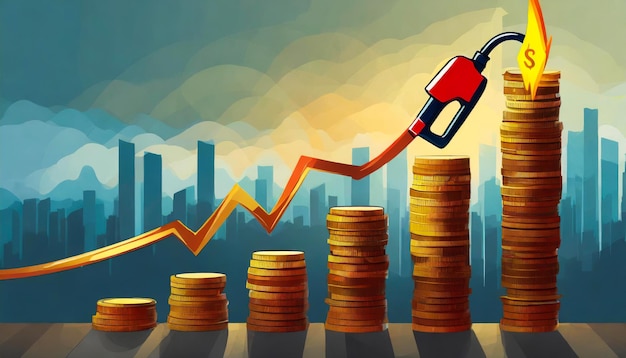
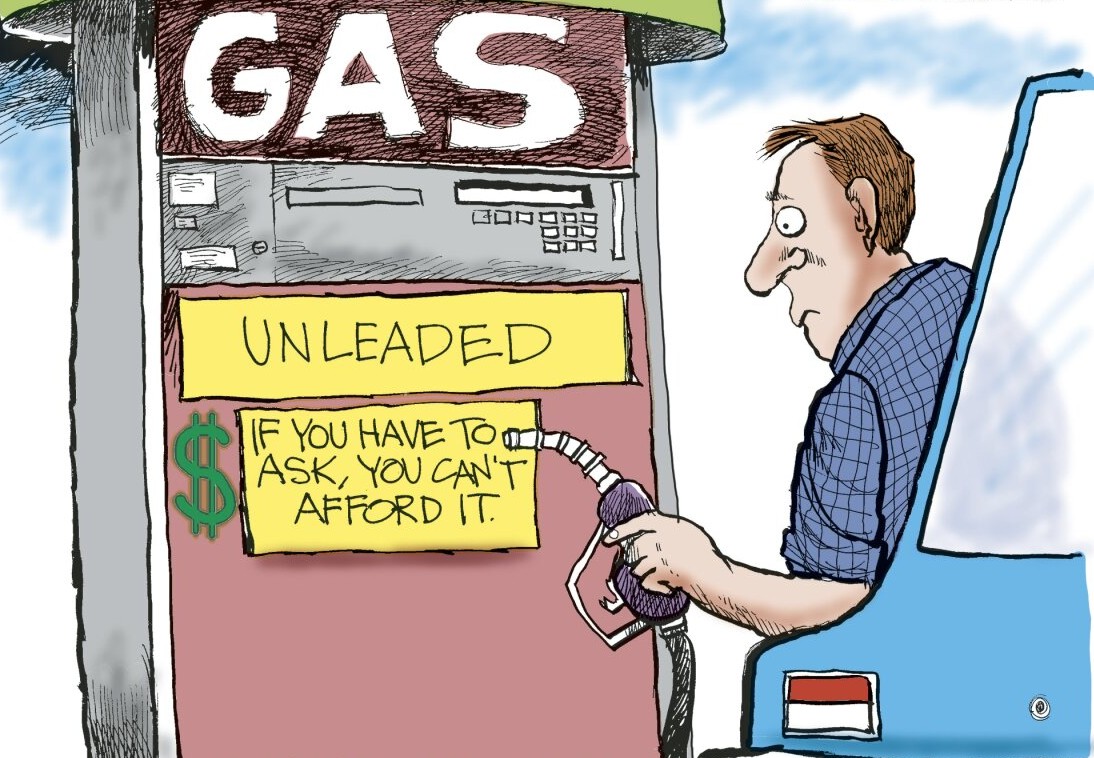
Following progress toward a ceasefire and broader discussions between the U.S. and Iran, oil prices fell sharply throughout the month. By month-end, crude oil was trading near $68-$70 per barrel, down dramatically from the triple-digit levels seen earlier this spring. [marksgroup.com], [intellectia.ai], [tradeedgepro.net]
For families, this is one of those rare times when geopolitical news can eventually be felt directly at home.
Lower oil prices can help:
- Gasoline prices
- Utility costs
- Shipping costs
- Inflation pressures
The catch? Relief doesn’t happen overnight. It typically takes weeks or months before lower energy costs fully work their way through the economy. [plasticstoday.com]
How Are Consumers Feeling?
After hitting some of the lowest confidence readings in years during May, consumers showed signs of improvement in June.
The University of Michigan Consumer Sentiment Index rose from 44.8 to 49.5, a 10.5% increase. Consumers reported feeling better as gas prices moderated and fears surrounding the Iran conflict eased. [sca.isr.umich.edu], [usreporter.com]
Even with the improvement, confidence remains nearly 20% below last year’s level, showing that many households still feel pressure from the cost of living. [sca.isr.umich.edu]
This mirrors the conversations many of us are having every day:
People aren’t necessarily worried about losing their jobs.
They’re worried about:
- Grocery prices
- Insurance costs
- Housing expenses
- Healthcare costs
- Making sure retirement stays on track
What We’re Watching Going Forward
As we move into the second half of 2026, three areas remain front and center:
1. Inflation
Inflation has cooled from its peak, but it remains above the Fed’s target. If inflation proves stubborn, additional rate hikes remain possible. [policyrix.com], [cnbc.com]
2. Interest Rates
The market is adjusting to a Federal Reserve that appears focused on fighting inflation first and worrying about rate cuts later. [cnbc.com], [federalreserve.gov]
3. Artificial Intelligence
The AI story continues to drive corporate earnings, productivity, and investor enthusiasm. While technology stocks took a breather in June, AI remains one of the primary growth engines of the market and economy. [madisoninv…tments.com], [cnbc.com]
Final Thoughts
June reminded us of something important:
Not every good month in investing comes from stocks soaring higher.
Sometimes a good month comes from risks getting smaller.
Lower oil prices, easing geopolitical tensions, improving consumer confidence, and a resilient economy all helped create a more stable backdrop as we enter the second half of the year. [sca.isr.umich.edu], [intellectia.ai], [tradeedgepro.net]
As always, our focus remains unchanged: helping you make smart decisions, keeping your investment strategy aligned with your goals, and ensuring your financial plan can withstand whatever headlines come next.
Because while markets move every day, your plan should be built for decades. And the conversations we continue to have around retirement, family, taxes, and legacy planning are often far more important than anything happening in the market over a single month.