January did not deliver the strong footing many hoped for. Despite headline gains in the major U.S. equity indices, the underlying market environment weakened considerably. Leadership shifted away from the mega-cap technology names that once carried the market, as the “FANG” cohort and broader tech sector continued to slide for a second straight month.⁽¹⁾ Investor sentiment was shaken further when the U.S. detained Venezuelan President Nicolás Maduro, escalating geopolitical tensions and raising concern among international trade partners about the direction of U.S. foreign policy.⁽²⁾ Crypto markets also stumbled, with major tokens experiencing drawdowns as risk appetite evaporated.⁽³⁾ Although small‑cap and value stocks posted gains, they did so against a backdrop of rising anxiety surrounding an economy facing inflation fatigue, worsening consumer sentiment, and a labor market showing clearer signs of strain.
Key Market Numbers
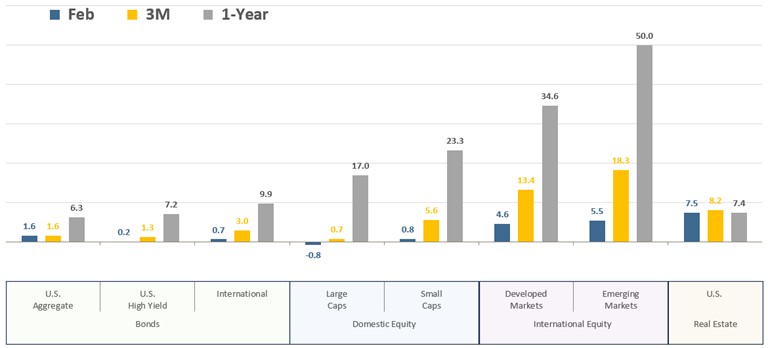
- S&P 500: +1.4% in January⁽¹⁾
- Dow Jones Industrial Average: +1.7%⁽⁴⁾
- Nasdaq Composite: +0.9%, weighed down by weakness in mega‑cap tech⁽¹⁾
- Russell 2000 (Small Caps): +5.3%, showing short‑term strength despite economic worries⁽⁴⁾
- Sector Laggers: Technology −1.7%, Financials −2.6%, Healthcare −0.2%⁽⁵⁾
- Crypto Market: Broad declines amid falling risk appetite and regulatory uncertainty⁽³⁾
January 2026 Economic Snapshot
The economic backdrop in January was far from encouraging. While headline GDP data from late 2025 looked strong, more recent indicators pointed to clear cooling. Jobless claims inched higher toward 210,000, reflecting a softening labor market.⁽⁶⁾ Consumers continued to feel financial pressure, with confidence falling to multi‑year lows as worries about inflation, job security, and unstable geopolitical conditions mounted.⁽⁷⁾ The Federal Reserve kept interest rates unchanged at 3.50%–3.75%, but not because conditions were improving—officials signaled hesitation due to sticky inflation and a labor market losing momentum.⁽⁵⁾ International trade partners expressed concern after the Maduro arrest, which many viewed as a destabilizing move likely to complicate diplomatic and trade relations.⁽²⁾
Key Economic Numbers
- Unemployment: Up from prior months, reflected by rising jobless claims (~210,000)⁽⁶⁾
- Labor Market: Cooling, with early signs of deterioration in manufacturing and consumer spending⁽⁷⁾
- Fed Funds Rate: Held at 3.50%–3.75% amid uncertainty⁽⁵⁾
- Dollar Performance: Continued weakening trend into January, further eroding global confidence⁽⁴⁾
Inflation & Cost of Living
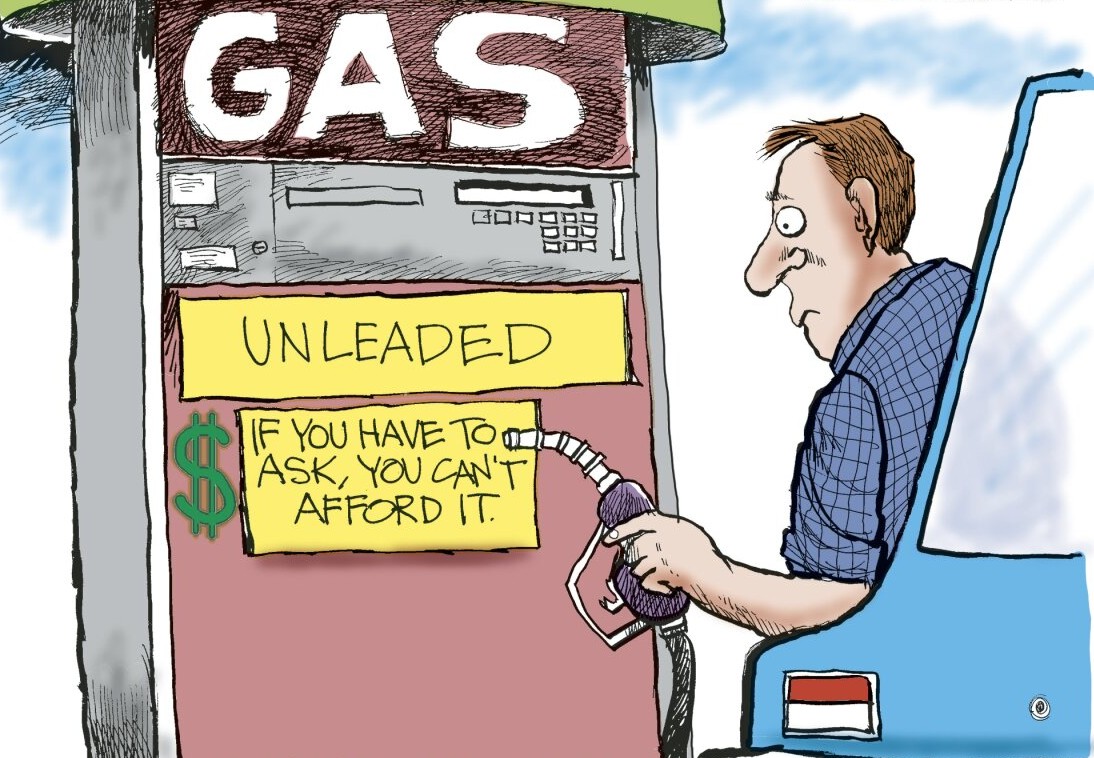
Inflation continued to hit consumers where it hurts most — in essential spending categories. December’s CPI report (released mid‑January) showed prices rising 0.3% month‑over‑month, keeping the annual inflation rate at 2.7%, but with disproportionate increases in food, shelter, and utilities.⁽⁸⁾ Shelter rose 0.4%, food increased 0.7%, and energy costs also ticked higher — a combination that continues to squeeze households, especially lower‑income families.⁽⁸⁾ While headline inflation may appear stable, the lived experience for consumers reflects intensifying pressure, contributing to declining confidence and reduced discretionary spending.
Early‑Year Tip: Reduce Credit Card Load Before It Grows
With inflation lifting everyday expenses and uncertainty rising in markets, paying down high‑interest credit card balances becomes even more crucial. The avalanche method (prioritizing your highest‑APR card first) remains the fastest way to reduce long‑term interest costs. If your credit permits, a 0% APR balance transfer may buy you valuable time as rates remain volatile. Consider contacting your card issuers — many provide short‑term hardship adjustments, including payment pauses or temporary rate reductions. As consumer stress climbs, these interventions can provide immediate relief and help prevent financial strain from compounding in 2026.
Why Financial Planning Matters Even More Now
This is a moment when financial planning does more than organize your finances — it protects them. With rising unemployment pressures, geopolitical instability, weakening tech leadership, and persistent inflation on essentials, the uncertainty heading into 2026 is higher than in prior years. A comprehensive plan ensures you’re not overexposed to volatile areas of the market, prepares you for unexpected income disruptions, and positions your cash flow to endure continued cost‑of‑living increases. In an economy sending mixed and often troubling signals, financial planning becomes a stabilizing anchor — helping you navigate uncertainty with clarity rather than reacting to it under stress.
Footnotes (Cited Sources)
¹ Confluence Financial Partners – January 2026 Recap (turn10search11)
² Winthrop Wealth – January 2026 Recap (turn10search10)
³ Crypto market volatility & regulatory pressure – Blockonomi Crypto Market News (turn10search9)
⁴ Sweeney Financial Observer – January 2026 Market Recap (turn10search6)
⁵ Marks Group Wealth Management – January 2026 Sector Performance & Fed stance (turn10search14)
⁶ Robertson Stephens – January 2026 Recap, jobless claims ~210,000 (turn10search2)
⁷ Moore Investment – January 2026 Market Update, weak consumer confidence (turn10search18)
⁸ One Wealth MGMT – December CPI Report (turn10search3