How December wrapped up for U.S. stocks
December itself was mixed—think “New Year’s Eve without the confetti cannon”—but 2025 as a whole ended strong. The S&P 500 closed the year up ~16%, the Nasdaq ~20%, and the Dow ~13%, capping a third straight year of double‑digit gains even after a late‑December dip. AI enthusiasm and resilient earnings stayed in the driver’s seat, while a brief “Santa Claus rally” failed to materialize in the final sessions. [cnbc.com], [finance.yahoo.com], [eoption.com]
Sector leadership and breadth
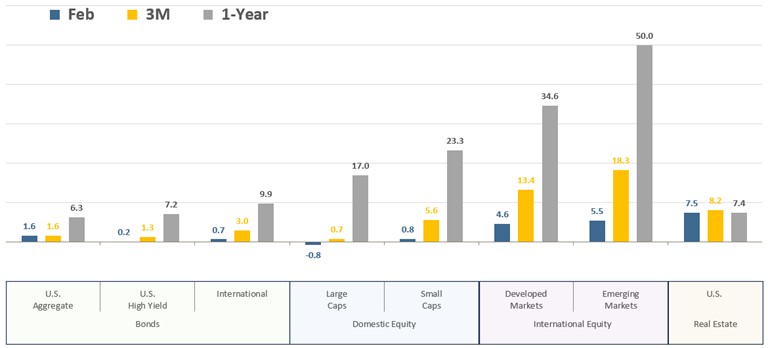
Tech and Communication Services led again in 2025, but the rally broadened late in the year, with Financials and Materials eking out gains in December even as Utilities and Real Estate lagged. Equal‑weight versions of the S&P did a bit better than cap‑weight during the month, hinting that leadership wasn’t solely the mega‑caps. Outside the U.S., developed and emerging markets outperformed thanks in part to a weaker dollar. (Translation: international stocks finally got some main‑character energy.) [marksgroup.com], [ccmg.com]
Bonds and yields: a calmer finish than the headlines suggest
Treasury yields ended 2025 lower than they began, with the 10‑year around 4.18% on Dec. 31 amid a backdrop of Fed rate cuts and cooling, though still‑elevated, inflation. The curve steepened modestly into year‑end as short rates fell more than long rates, and core bond indexes posted their best annual return since 2020. (Not exactly fireworks, but bond investors appreciate a quiet show.) [cnbc.com], [advisorper…ctives.com], [ccmg.com]
The Fed: a “hawkish cut” and a divided committee
The FOMC delivered its third 25‑bp rate cut of 2025 in December (to 3.50%–3.75%), but the minutes showed a tight split—three dissents—and guidance implying only one more cut in 2026. Officials acknowledged upside risks to inflation and downside risks to employment; markets moved to price a slower easing path next year. If you felt monetary policy sounded like “we’ll see,” you heard correctly. [cnbc.com], [cnbc.com], [bloomberg.com]
Growth, jobs, and inflation: the “two‑handed economist” moment
Real GDP surged 4.3% (annualized) in Q3, while the unemployment rate ticked up into late fall and CPI cooled to the high‑2% range by November—an odd mix of strong growth and softer labor. The Fed’s December projections (SEP) showed 2026 GDP near 2.3%, unemployment ~4.4%, and core PCE drifting toward 2.5%. In short: growth OK, labor cooler, inflation easing but not quite “mission accomplished.” [onewealthmgmt.com], [federalreserve.gov]
Manufacturing vs. services: a tale of two PMIs
ISM’s Manufacturing PMI fell to in December (10th straight month of contraction), with only Computer & Electronic Products expanding among the big industries. By contrast, Services PMI rose to its highest reading of the year, with new orders and activity firmly in expansion. (If the economy were a band, services were headlining; manufacturing was tuning its guitar backstage.) [prnewswire.com], [morningstar.com]
Oil and commodities: cheaper fill‑ups, pricier metals
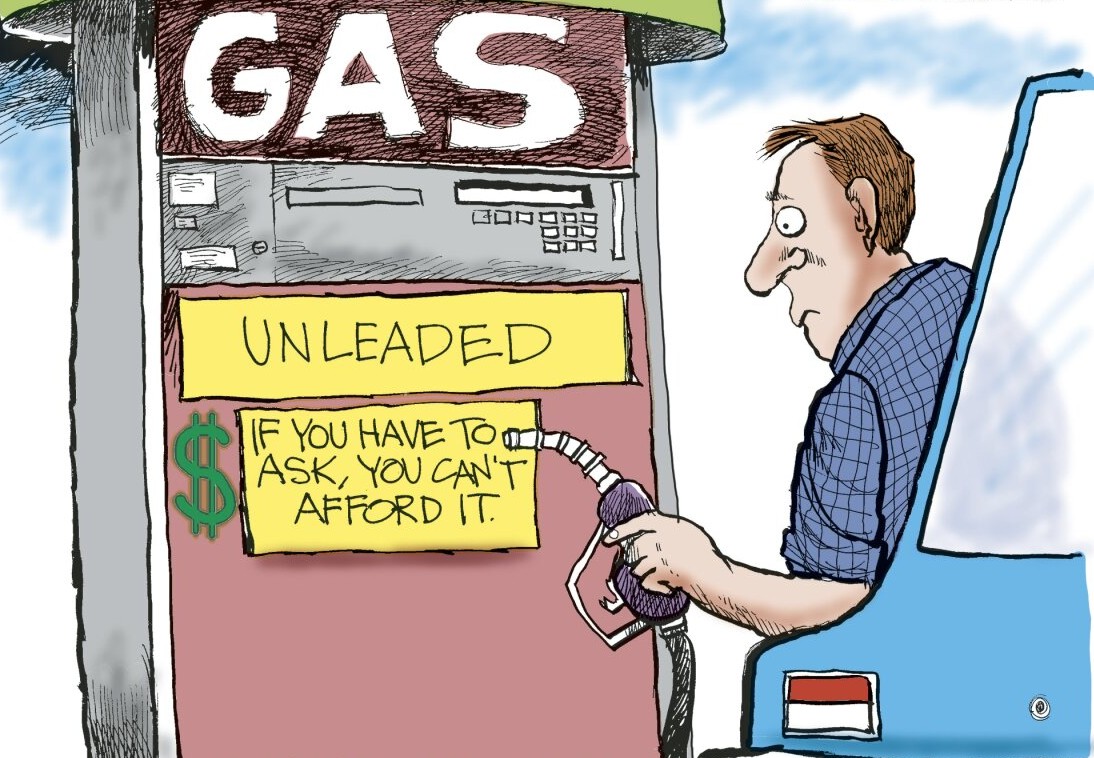
Crude closed 2025 with its steepest annual drop since 2020—Brent down ~19%, WTI ~20%—as supply exceeded demand and OPEC+ raised output. Several analysts expect Brent to hover in the mid‑50s in early 2026. Meanwhile, gold posted its best year since 1979 and silver more than doubled, and copper demand tied to AI/data‑center build‑outs kept the narrative constructive. (Your gas tank liked 2025; your jewelry box—if you’re into silver—liked it even more.) [cnbc.com], [eia.gov], [investopedia.com], [247wallst.com]
The U.S. dollar: weaker into year‑end, a tailwind for non‑U.S. assets
The DXY spent December below 100 as markets leaned into Fed‑cut expectations. Many 2025 wrap‑ups noted the dollar’s ~10% slide for the year, which helped international equity returns and could continue to shape asset allocation in 2026 if the Fed’s path stays more dovish than peers. (When the dollar loses a step, foreign holdings get a little performance pep.) [tradingview.com], [ts2.tech]
Housing: more inventory, cautious buyers, mixed price trends
Active listings rose YoY for the 26th straight month, but homes took longer to sell and list prices eased nationally, with regional splits (Northeast/Midwest firmer; South/West softer). Case‑Shiller sat near record levels through the fall, but momentum slowed. Lower mortgage rates in 2026 could help, yet affordability and input costs (think tariffs on materials) remain headwinds. [realtor.com], [fred.stlouisfed.org]
Consumer mood: still subdued despite holiday lights
The Conference Board’s Consumer Confidence fell in December (5th straight monthly decline). Meanwhile the University of Michigan’s Sentiment ticked up but stayed historically low. Economists caution sentiment often bottoms before equities peak—translation: feelings and spending don’t always match. (We’ve all bought a nice jacket while feeling meh about the weather.) [conference-board.org], [sca.isr.umich.edu]
Opportunities investors could lean into for 2026
- AI infrastructure & semiconductors: From chips to power systems to networking, the capex cycle is massive; select names across the value chain can benefit—just be mindful of valuation and earnings durability. [cnbc.com], [finance.yahoo.com]
- Industrial automation & electrification: Even with softer manufacturing, long‑run trends (factory automation, grid upgrades, EV charging infrastructure) remain investable as policy and corporate efficiency priorities persist. [marksgroup.com], [ccmg.com]
- Quality financials: With a steepening curve and resilient credit, high‑quality banks/insurers can see improving net interest margins—subject to credit discipline and regulation. [marksgroup.com], [ccmg.com]
- Materials tied to data centers (e.g., copper) and power: Structural demand from AI build‑outs meets constrained supply—select commodity producers and equipment firms may benefit. [247wallst.com], [investopedia.com]
- International equities (select developed & EM): A weaker dollar and supply‑chain reconfiguration aided non‑U.S. markets in 2025; careful country/sector selection remains key. [marksgroup.com], [ccmg.com]
Where to be cautious
- Over‑concentration in mega‑cap tech: Leadership is strong, but earnings must catch up to valuations; watch for “ROI reality checks” on multi‑billion AI capex. [cnbc.com], [facet.com]
- Cyclical manufacturing & transportation: ISM data show continued contraction; fleets and capex plans look cautious into H1 2026. Timing matters here. [prnewswire.com], [mhlnews.com]
- Energy producers leveraged to high oil prices: With oversupply risks and analyst ranges clustered around $50–$60 Brent for 2026, be selective and focus on balance‑sheet strength and low break‑evens. [cnbc.com], [rigzone.com]
- Rate‑sensitive REITs & utilities: December sector underperformance plus uncertain pace of Fed cuts argue for quality triage rather than broad beta. [marksgroup.com]
Policy and the Fed: what could surprise in 2026
Markets currently expect one (maybe two) cuts in 2026, and a leadership change at the Fed mid‑year. Persistently elevated services inflation could slow cuts; weaker labor could accelerate them. Either way, the committee’s divisions in 2025 suggest a bumpier communication path than investors prefer—keep risk budgets flexible. [morningstar.com], [cnbc.com]
Practical positioning for everyday readers
For those not living on a Bloomberg terminal: consider blending quality U.S. equities with select international exposure, keep duration balanced in bonds (to benefit if rates drift down, without too much interest‑rate risk), and use dollar‑cost averaging if volatility picks up. (It’s the investing equivalent of putting both snow tires and all‑weather tires on—you don’t skid as much either way.) [ccmg.com], [cnbc.com]
Bottom line—and why planning matters
Last month’s signals say: stocks resilient, bonds steadying, services healthy, manufacturing cautious, oil cheaper, dollar softer, consumers grumpy—but still spending. That cocktail supports a measured, quality‑tilted, globally aware portfolio into 2026, with eyes on Fed policy, earnings breadth, and commodity dynamics. And as always, the most important investment decision isn’t the hottest stock—it’s your financial plan: tax strategy, cash‑flow design, risk controls, and a disciplined allocation tailored to your goals. Our firm can help you translate these macro signals into a practical, tax‑efficient plan that fits your timeline and temperament—without the jargon and with a little humor when markets forget how to smile. Let’s build that plan together. iPlan. Do you?