As we entered September, the headlines focused on falling stock prices. But the more important story may have been taking place underneath the surface.
Throughout August, investors became increasingly concerned that inflation may remain higher than expected while economic growth continues to slow. That combination creates a challenging environment for policymakers, businesses, and investors alike.
The stock market spent most of the month adjusting to those concerns. Meanwhile, the bond market began demanding higher yields as investors reassessed inflation risks, government spending, and rising borrowing needs throughout the economy.
The result was a month characterized by higher interest rates, softer economic expectations, rising energy prices, and growing geopolitical uncertainty.
Employment: Signs of a Slowing Labor Market
The biggest economic surprise during August came from the labor market.
July payroll data released during the month showed the U.S. economy lost approximately 23,000 jobs, while previous months were revised lower by more than 100,000 jobs combined. Wage growth also continued moderating, and labor force participation fell to its lowest level in several years.
Importantly, unemployment remains relatively low, but the trend suggests hiring momentum is slowing.
What this means:
- Businesses appear more cautious about expansion.
- Hiring demand is cooling.
- Consumers may become more conservative if job concerns increase.
At this stage, the labor market is not signaling recession, but it is signaling a slower economy than investors expected earlier this year.
Inflation: Progress Continues, But the Fight Isn’t Over
Inflation continued moving in the right direction during August.
The Consumer Price Index showed prices were up 3.4% from a year ago, while core inflation remained closer to 2.5%. Monthly price increases remained relatively modest.
However, inflation is proving difficult to fully eliminate.
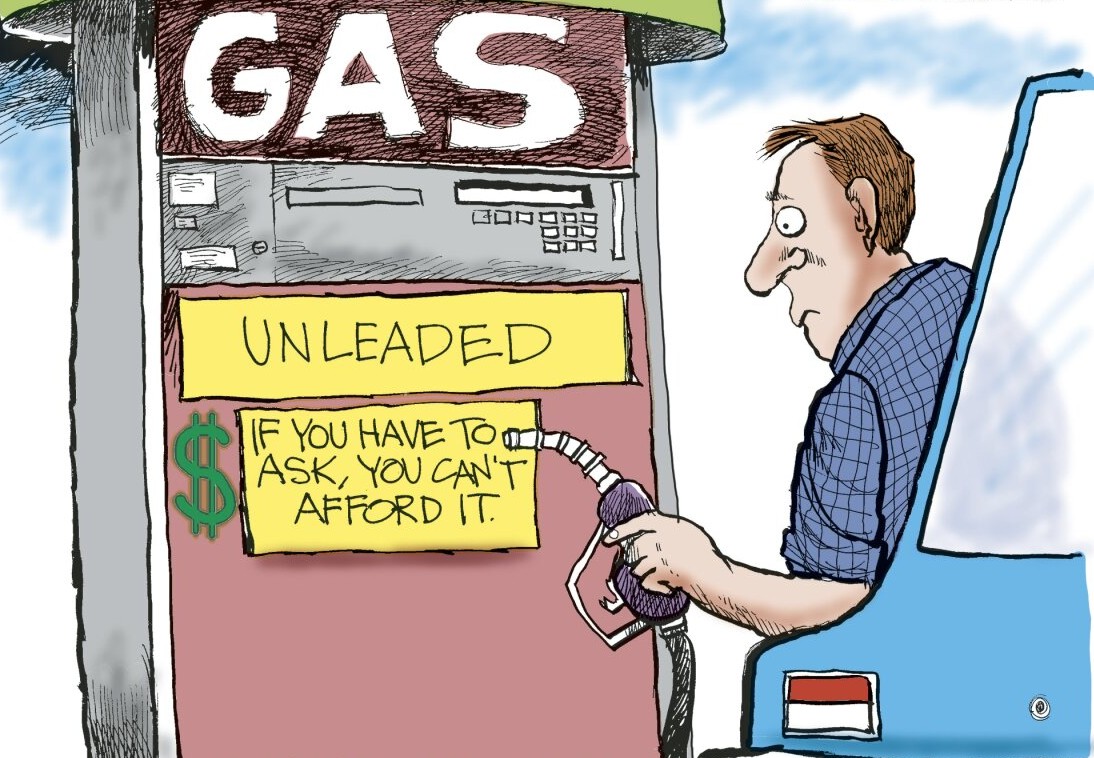
The biggest concern emerged from energy markets. Ongoing disruptions involving shipping routes through the Strait of Hormuz pushed oil prices higher during the month, creating renewed pressure on fuel and transportation costs.
For the Federal Reserve, this creates a balancing act:
- Inflation is lower than its peak.
- Economic growth is slowing.
- Energy prices are moving higher again.
Those competing forces help explain why interest-rate expectations changed so frequently throughout the month.
Consumer Sentiment: Confidence Remains Fragile
Consumers grew more cautious in August.
The University of Michigan Consumer Sentiment Index declined significantly during the month as households expressed growing concerns about inflation, future economic conditions, and purchasing power.
The Conference Board’s Consumer Confidence Index also fell to its lowest level in several months, with respondents expressing increased concerns about future employment opportunities and business conditions.
The message from consumers is straightforward:
People may still be spending, but they are becoming increasingly uncomfortable with rising prices and economic uncertainty.
Historically, consumer confidence often reflects how households feel about their financial future, making it an important indicator to monitor going forward.
Market Performance: Bonds Took Center Stage
Most investors focus on Federal Reserve decisions.
During August, however, the bond market became the larger story.
Treasury yields rose as investors demanded greater compensation to lend money long term. Concerns included:
- Persistent inflation
- Rising government deficits
- Large-scale corporate borrowing associated with AI infrastructure spending
- Elevated geopolitical risks
Why does this matter?
Higher long-term yields increase borrowing costs across the economy. Mortgage rates, business financing costs, and stock valuations can all be affected.
Simply put:
The stock market watches earnings. The bond market watches risk.
During August, the bond market became increasingly focused on risk.
Global Developments and Geopolitics
Several global developments influenced markets during the month.
Most notably, tensions surrounding shipping and energy flows through the Strait of Hormuz contributed to higher oil prices and renewed inflation concerns.
Geopolitical uncertainty also appeared in consumer surveys, with respondents increasingly citing international conflicts and energy prices as factors affecting their outlook.
While markets often adapt to geopolitical events, disruptions involving global energy supplies tend to have broader economic consequences because they affect transportation, manufacturing, and consumer costs worldwide.
Looking Ahead: The Midterm Elections
As we move toward the upcoming midterm elections, investors will likely hear increasing claims about what election outcomes mean for markets.
History offers an important reminder:
Elections often influence short-term market sentiment, but long-term investment results are generally driven by economic growth, profits, interest rates, inflation, and policy implementation rather than campaign headlines.
The issues likely to receive the greatest market attention include:
- Federal spending and deficits
- Tax policy
- Energy policy
- Trade relationships
- Regulation of emerging technologies, including artificial intelligence
Regardless of political outcomes, markets will continue to focus on inflation, employment, and interest rates.
Bottom Line
August was a reminder that markets and economies rarely move in straight lines.
Inflation improved but remains above target. Employment softened but remains relatively healthy. Consumers grew more cautious. Energy prices moved higher. Bond markets demanded higher yields. Geopolitical risks remained elevated.
The question entering the fall is no longer whether inflation is falling.
The question is whether inflation can continue falling without causing a more meaningful slowdown in growth.
For long-term investors, periods like these reinforce an important principle:
Successful investing is rarely about predicting the next headline. It is about maintaining a disciplined strategy that can adapt to changing economic conditions while remaining focused on long-term objectives.