October was a month that reminded investors that markets don’t move in a straight line. While the headlines were filled with discussions about artificial intelligence, rising interest rates, geopolitical tensions, and the upcoming midterm elections, the real story was what happened beneath the surface.
For much of 2026, a handful of AI-related companies drove market gains. In October, however, investors began asking a different question: Are companies spending too much on AI, and when will those investments begin producing meaningful profits? That shift in thinking led to one of the largest rotations we’ve seen all year. [2][7]
The result was a market where many diversified investors fared better than investors concentrated solely in large technology stocks.
Market Performance: Leadership Changed Dramatically
October’s market performance was mixed depending on where investors were positioned.
The Dow Jones Industrial Average gained 1.76%, while many technology-heavy growth investments struggled. Large-cap value stocks significantly outperformed growth stocks, and defensive sectors became market leaders. [1]
One of the most notable shifts was the outperformance of the average stock versus the largest stocks in the market. Investors moved away from concentrated AI trades and toward businesses with more predictable earnings and valuations. According to Confluence Financial Partners, the Equal-Weighted S&P 500 outperformed the traditional market-cap-weighted index by nearly 6% during October, one of the largest monthly differences on record. [2]
For long-term investors, this serves as a reminder that diversification still matters. Market leadership rarely remains the same forever.
Sector Activity: Energy and Defensive Stocks Take the Lead
October belonged to sectors that many investors largely ignored earlier in the year.
According to Monthly Market Wrap: October 2026 from YCharts:
- Energy was the best-performing sector, gaining approximately 14%.
- Defensive sectors performed well throughout the month.
- Communication Services fell more than 15%, making it one of the weakest areas of the market.[1]
The shift suggests investors are becoming more selective and are looking for businesses with durable cash flows, strong balance sheets, and attractive valuations rather than simply paying premium prices for growth.
Geopolitics: The Iran Conflict Continues to Influence Markets
Geopolitical concerns remained a major theme throughout October.
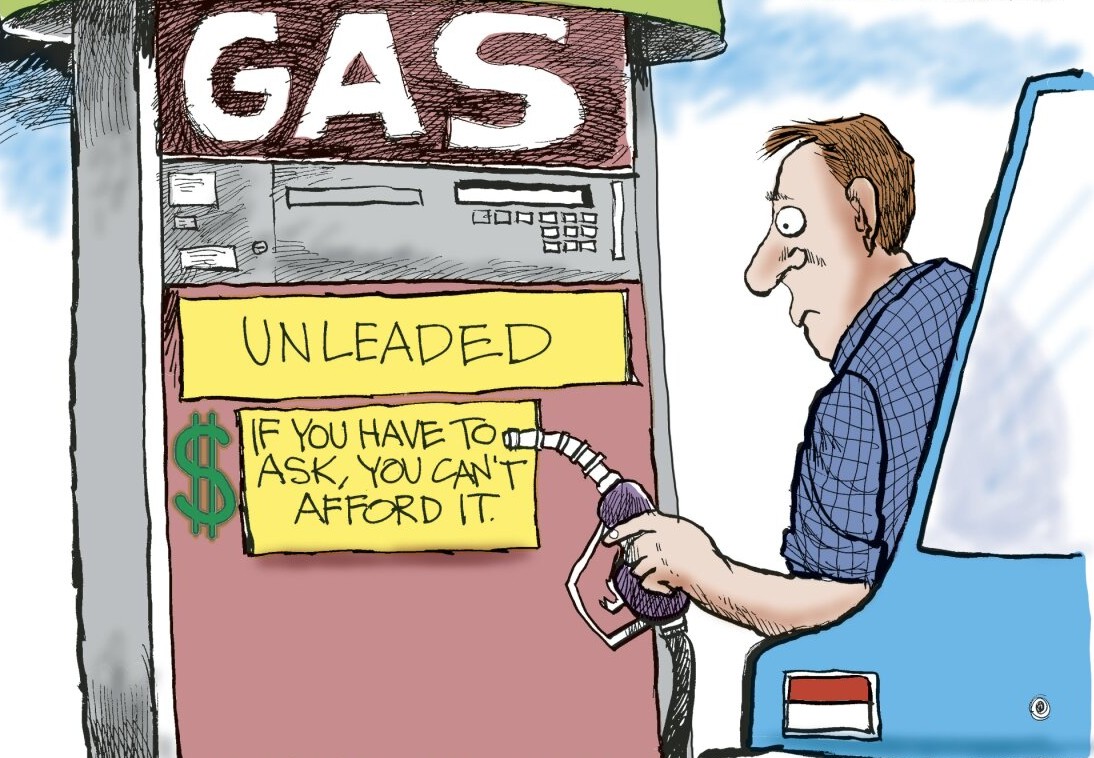
While the flow of oil through the Middle East has remained relatively stable, uncertainty surrounding the war with Iran continues to impact energy markets. Oil prices remained elevated and periodically moved sharply as investors digested new developments regarding supplies and regional stability.[3][6]
Why does this matter?
Because energy affects almost everything:
- Transportation costs
- Shipping expenses
- Manufacturing costs
- Utility bills
- Food prices
When oil prices move significantly higher, families eventually feel the impact at the gas station, grocery store, and in monthly household budgets. [3][4]
The Economy: Slowing, But Not Stopping
The economy continues to show resilience, though the pace of growth is becoming more uneven.
Consumer spending and business investment remain supportive of economic growth, particularly investment tied to AI infrastructure, data centers, and energy demand. However, the labor market continues to cool. Mutual of America reported that September payroll growth was just 29,000 jobs, while unemployment edged higher to 4.2%.[5]
Similarly, Monthly Market Wrap: October 2026 reported October job growth of roughly 22,000 jobs, with unemployment remaining near 4.2%. [1]
This isn’t recession-level weakness, but it does suggest that businesses are becoming more cautious.
Consumer Sentiment: The Cost of Living Remains the Story
One of the biggest disconnects in today’s economy is the difference between economic growth and how people feel.
While GDP growth remains positive and unemployment remains relatively low, many households continue to feel pressure from:
- Housing costs
- Insurance premiums
- Healthcare expenses
- Grocery prices
- Utility bills
Inflation has slowed compared to prior years, but prices have not returned to previous levels. Families aren’t comparing today’s costs to last month; they’re comparing them to what they paid several years ago.
That’s why consumer sentiment remains subdued despite a growing economy. [5][4]
Inflation, Interest Rates & The Federal Reserve
The Federal Reserve remained at the center of investor attention throughout October.
At its October meeting, the Fed held interest rates steady at 3.75%-4.00%, but Chair Kevin Warsh made it clear that inflation remains a significant concern. Markets continue to expect the possibility of another rate increase before the end of the year.[7][1]
Inflation remains above the Fed’s 2% target.
According to Monthly Market Wrap: October 2026, inflation increased to approximately 3.7%, while mortgage rates reached their highest levels since late 2023. [1]
Meanwhile, bond markets experienced an important shift. After surging in September, the 10-Year Treasury yield fell below 5% in October, providing some relief to investors and borrowers alike. [1][2]
Even so, interest rates remain significantly higher than most investors have grown accustomed to over the past decade.
What We’re Watching for November and the Fourth Quarter
As we move into the final two months of the year, several themes deserve close attention:
1. Federal Reserve Policy
Will inflation remain sticky enough to justify another rate hike before year-end? Markets continue to debate that question. [1][7]
2. Third Quarter Earnings
Many companies have reported strong earnings, but investors are increasingly focused on profit growth rather than AI spending announcements alone. [2][7]
3. AI Investment Sustainability
Investors want evidence that the nearly $884 billion expected to be spent on AI-related infrastructure during 2026 will ultimately generate sufficient returns. [5]
4. Midterm Elections
The November elections could influence tax policy, spending priorities, regulation, and investor sentiment.[2][4]
5. Energy Markets
Oil prices remain highly sensitive to developments involving Iran and broader Middle East stability. [3][6]
Why Financial Planning Matters More Than Ever
One of the most valuable lessons of 2026 is that uncertainty never takes a vacation.
This year alone we’ve dealt with:
- Inflation concerns
- Interest-rate hikes
- AI disruption
- Geopolitical conflict
- Energy volatility
- Market rotations
- Election uncertainty
And yet, many families with a well-designed plan remain on track.
That’s because successful planning isn’t about predicting every headline. It’s about preparing for them.
As we move into November, our planning focus shifts from tax execution toward year-end decision making. The question I encourage every client to consider is:
What financial decisions should be completed before the calendar and opportunity runs out?
For many families and business owners, the next several weeks may represent the final opportunity this year to optimize:
- Tax strategies
- Retirement contributions
- Charitable giving
- Business deductions
- Estate planning updates
- Succession planning
- Year-end cash-flow decisions
The best financial plans don’t happen by accident in December. They are built intentionally during October and November.
Because while markets will always fluctuate, your family’s goals, your business, and your legacy deserve a strategy that is designed to endure far longer than a single market cycle.
Sources
[1] Monthly Market Wrap: October 2026 — YCharts. (get.ycharts.com)
[2] October 2026 Market Recap — Confluence Financial Partners. (confluencefp.com)
[3] Q3 Recap & October 2026 Market Commentary — Benchmark Financial. (bfllc.com)
[4] Market Update | October 2026 — RGWM Insights. (rgwealth.com)
[5] Economic & Market Perspective: October 2026 — Mutual of America. (mutualofamerica.com)
[6] Market Update-Third Quarter-October 2026 — Argent Financial Group, Inc. (argentfinancial.com)
[7] Stock Market Today (Oct. 29, 2026): S&P 500 falls after Alphabet and Microsoft issue divergent earnings — TheStreet. (thestreet.com)